Winter Wellness Top 5 Tips
BOOST YOUR VITAMIN C
Vitamin C helps keep your immune system healthy and can help reduce the length and severity of a cold. However, it is no use swallowing endless vitamin C supplements when you have a cold – that really won’t help. You need to have plenty of foods rich in vitamin C on a day to day basis to get the benefits, that way, if you do get a cold – hopefully it won’t last as long! Lemons, oranges and feijoas are all in season right now and are packed with vitamin C. Add lemon juice to cold or hot water for a tasty drink or try feijoas with low fat yoghurt for a delicious snack.
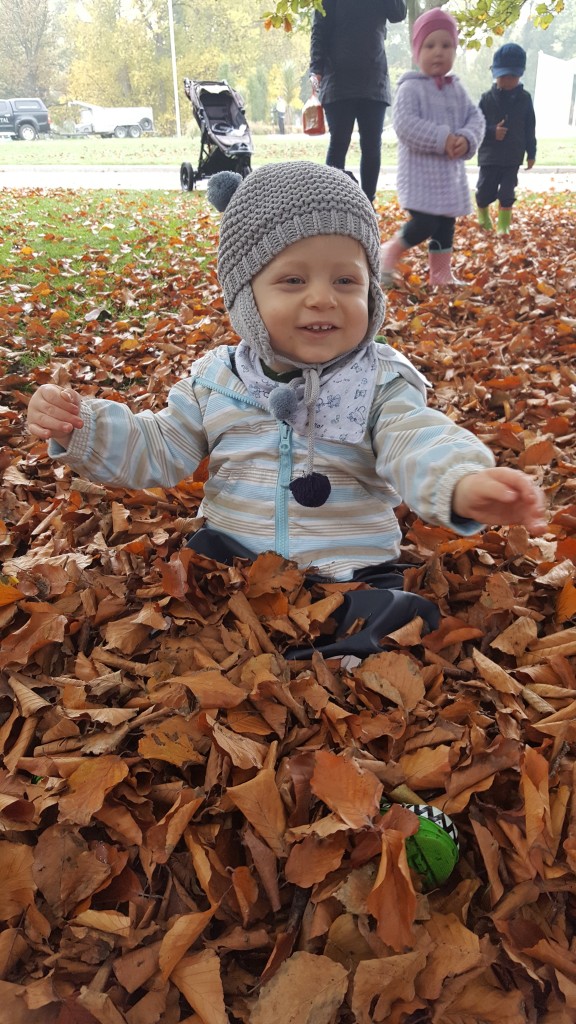
GET OUTSIDE
When it is cold and wet, it can be very tempting to stay inside – but it is vital that you don’t get caught in that trap, you need to get outside. You need to expose your skin to daylight to help your body to make Vitamin D which is important to keep your bones healthy, but also helps keep your immune system healthy. You also need to expose your eyes to daylight to help regulate your mood and sleep.
GO WHOLEGRAIN
Wherever you can, choose the wholegrain option – whether it is bread, crackers or breakfast cereal. Oats, brown rice, quinoa and buckwheat are other examples of whole grains which are delicious and so versatile. Wholegrains are packed with fibre which keeps things moving through your gut and they are also a great source of B vitamins which helps keep your energy up. Try adding them to soups for extra nutrition.
GET IN YOUR GREENS
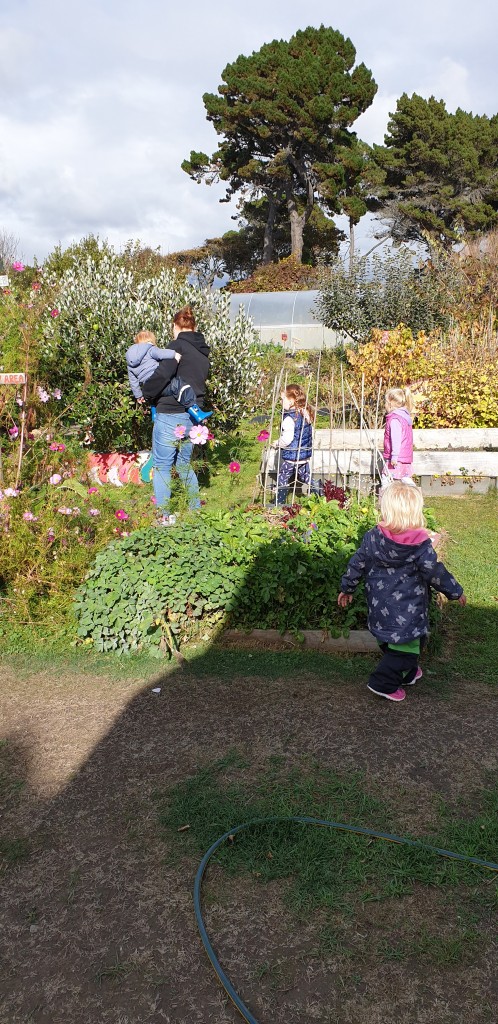
We all know vegetables are good for us, but as the cold months kick in, it is a great time to enjoy some of the dark leafy greens! Spinach, kale and silverbeet are a few examples – they are a great source of vitamins and minerals to help keep your body in tip top shape through the colder months. BONUS – these greens are super easy to grow too so get into the garden!
MOVE IT
Colder, darker days can make the couch a very appealing place to be – but, keeping active will help you to maintain a healthy weight, keep your body working well and help you feel better so find a way to keep moving! Don’t be afraid of the rain, get a good umbrella and coat – you can still enjoy a walk when there are a few rain drops. See what classes are running at your local leisure centre, try going for a swim – just find something that works for you that you can keep up with throughout the whole of autumn and winter.
By Claire Turnbull. NZ Registered Nutritionist, AUT Millennium Institute. For more information about Claire, visit her website: www.claireturnbull.co.nz
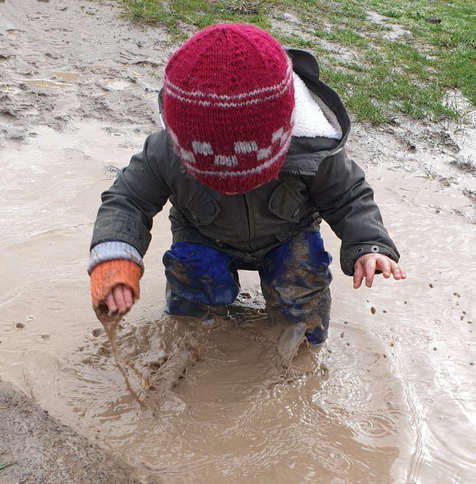
 I don’t know about you, but being outdoors for me brings a sense of peace, a stillness in my busy mind. I have learned to take in my surroundings, notice what I notice, to marvel at nature’s offerings, and feel papatūānuku and her energy radiating up my body. I take a deep breath in .. and a slow breath out. Noticing the sounds that surround me and the scents that envelope me, always in awe of the beauty before me.
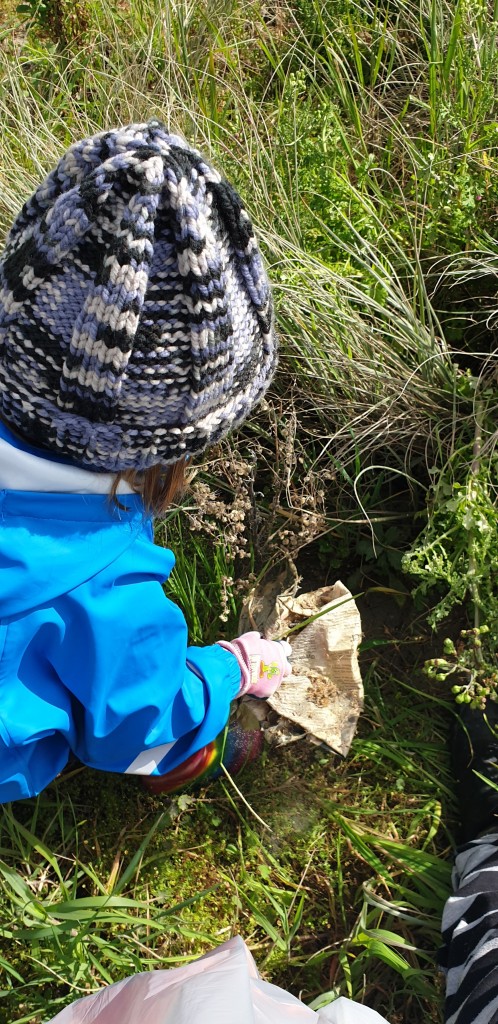
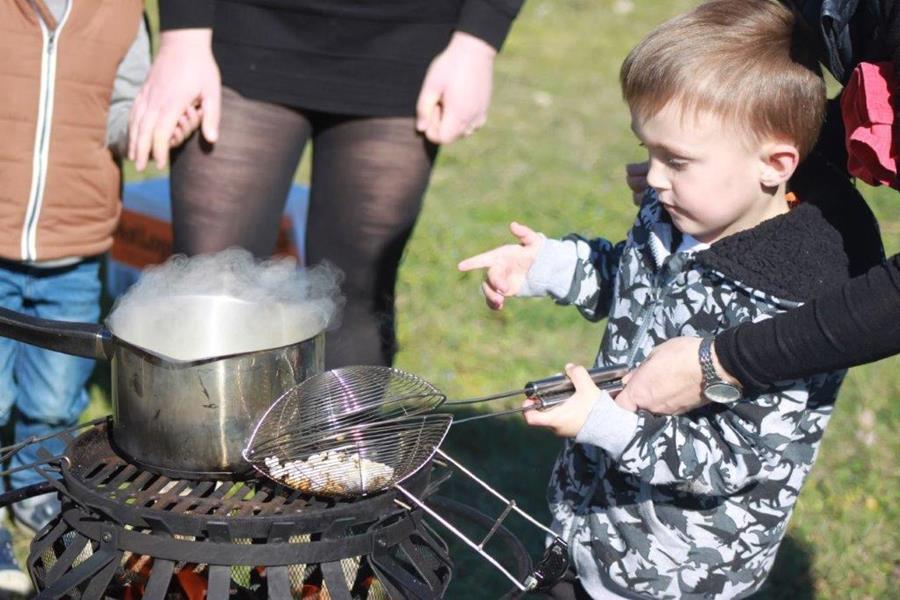
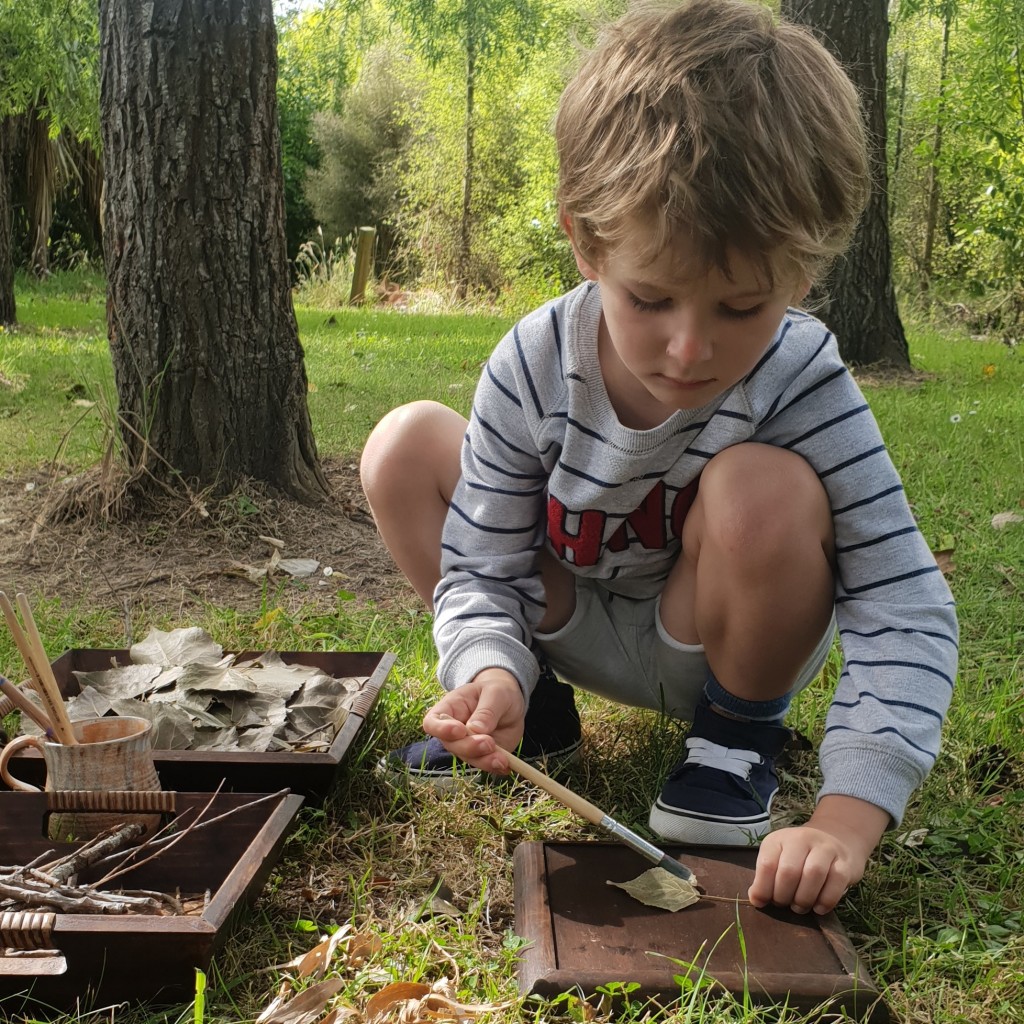
  Outdoor learning is a given in our programme now and through some trial and error, have figured out how to layer up for our mornings in a variety of conditions here in Ōtautahi, for the tamariki and for ourselves.




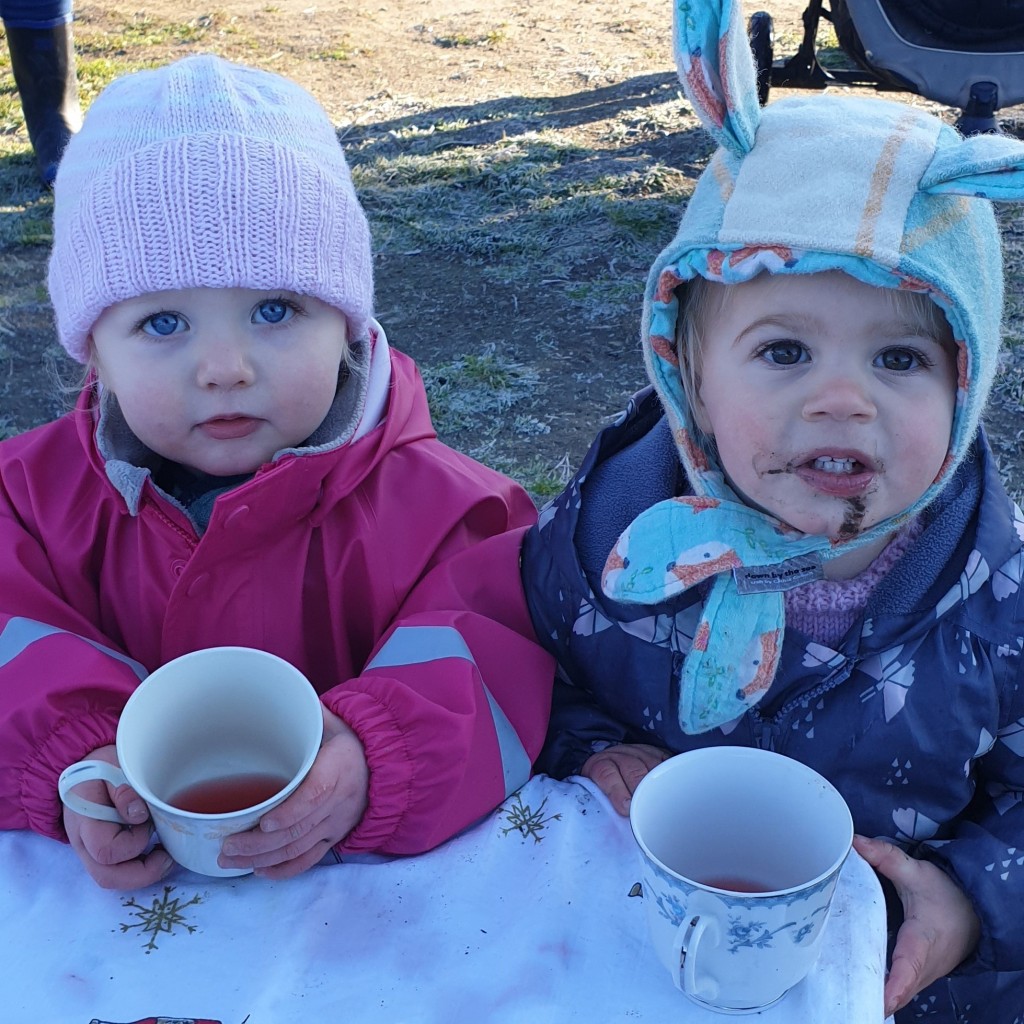

 We have been talking with our educators lately about celebrating Kai time with a special ritual. This was firstly introduced at our weekly playgroup with table cloths for the tables and vases with flowers in them. This has followed onto the educators own home programmes with the children setting the table, picking their own flowers and having warm face cloths readily available to wash their hands and face. These careful actions take a humble routine into a scared ritual, honouring the importance of respectful interactions which is at the heart of our practice.